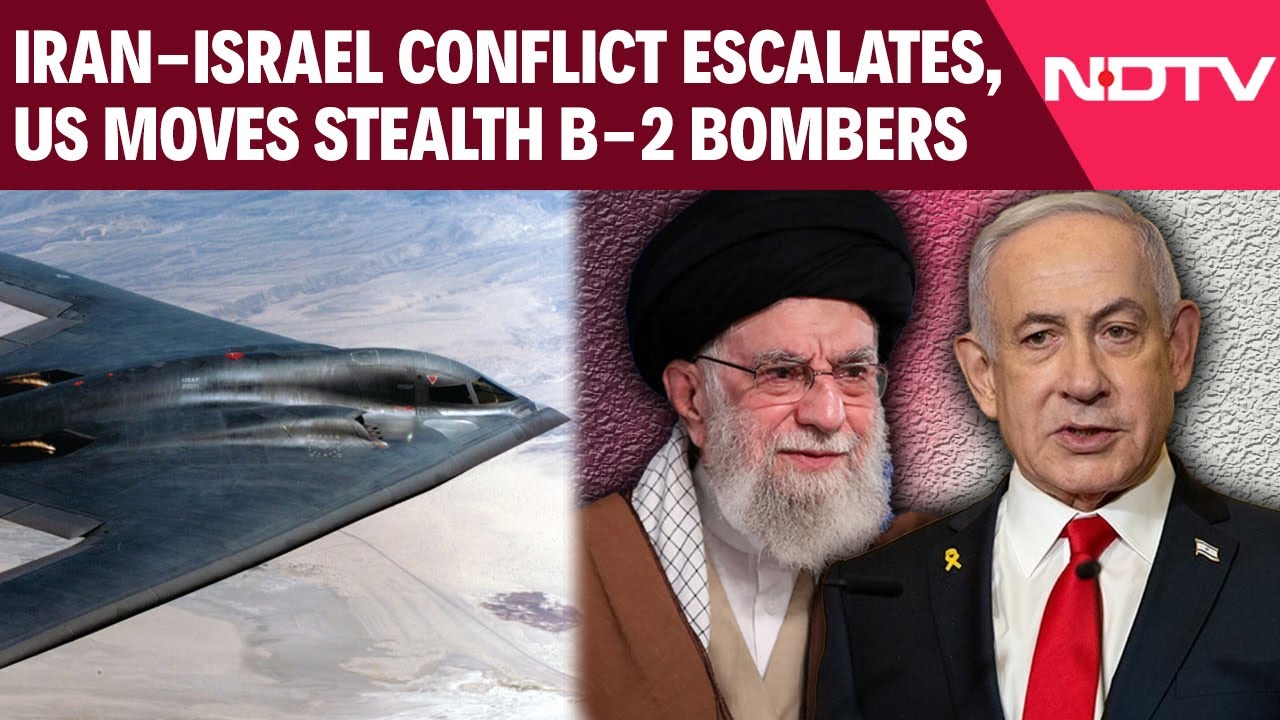
Introduction: Why Your Life Insurance Costs May Be at Risk in Global Conflict
Life insurance is often viewed as a simple financial safety net—a way to ensure that our loved ones are protected if the worst happens. Most people buy policies with the assumption that their coverage will remain steady, predictable, and reliable for decades. However, in an increasingly volatile world, that assumption may no longer hold true. Geopolitical tensions, particularly the ongoing U.S.–Iran–Israel conflict, have introduced a complex layer of risk that can directly affect your life insurance coverage and costs.
The stakes are higher than ever. Escalating military tensions in the Middle East are causing insurers worldwide to re-evaluate risk, adjust premiums, and in some cases, include strict exclusions that could leave policyholders unprotected. While news outlets frequently focus on oil prices, missile exchanges, or sanctions, few people realize that these global events are quietly shaping their personal finances, including something as essential as life insurance. (Reuters)
This new reality means that life insurance is no longer just a matter of picking a coverage amount and paying premiums. Policyholders must now consider war risk exposure, understand exclusions, and evaluate how geopolitical instability may influence claims, underwriting, and overall affordability. A policy that seemed ironclad just a few years ago could be suddenly vulnerable in ways most consumers do not anticipate.
Understanding these risks requires more than just reading the fine print of your life insurance contract. The industry’s response to geopolitical tension is multifaceted, ranging from the introduction of specific war-risk clauses to adjustments in reinsurance pricing. Reinsurance, the “insurance for insurers,” is a key mechanism that allows life insurance companies to share risk across global markets. When war risk increases, reinsurers often raise premiums or limit coverage, which in turn forces primary insurers to pass on these costs to consumers. (Insurance Journal)
Moreover, not all policies are created equal. Some life insurance contracts include explicit exclusions for war or state-sponsored hostilities, while others might treat terrorism differently from traditional warfare. The language can be technical, legalistic, and opaque, leaving even savvy policyholders uncertain about the scope of their protection. Understanding this nuanced landscape is critical, especially for individuals with international travel, family in high-risk regions, or careers that intersect with areas of geopolitical volatility.
The financial implications are significant. Rising war risk can lead to higher premiums, restricted coverage options, or even policy lapses if insurers adjust terms suddenly. For many families, these costs are not merely theoretical—they can directly impact long-term financial security. Families who previously assumed that life insurance provided a stable safety net may suddenly face a scenario where coverage is more expensive, limited, or contested.
Additionally, the psychological component cannot be ignored. Awareness of potential war risk exclusions and premium spikes introduces stress and uncertainty into what should otherwise be a source of financial comfort. Policyholders are left asking questions like: “Will my policy pay out if I die in a conflict zone?” or “Am I at risk of losing coverage due to factors beyond my control?” These concerns highlight the need for proactive management of life insurance in the modern geopolitical context.
Practical strategies exist for mitigating risk. Policyholders can examine their contracts for war-risk exclusions, consider optional riders that provide additional coverage, and consult experts to ensure that their life insurance remains adequate even in the face of global instability. Locking in coverage early, diversifying policies across multiple carriers, and staying informed about current events are all ways to protect financial security.
In this comprehensive guide, we will explore seven shocking ways that soaring war risk tied to the U.S.–Iran–Israel conflict could destroy your life insurance coverage costs. We will provide detailed insights into premium adjustments, claim disputes, policy lapses, and other mechanisms by which international tension can ripple into your personal financial landscape. By understanding these dynamics, you will be empowered to take proactive steps, safeguard your family’s future, and navigate life insurance decisions with clarity and confidence.
Whether you are a seasoned policyholder, a young adult considering your first life insurance plan, or someone with family in high-risk regions, this article is designed to provide a full understanding of the challenges and actionable solutions that geopolitical conflict introduces to life insurance in 2026 and beyond. The following sections will break down the seven key ways war risk can affect coverage, supported by credible research, real-world examples, and practical guidance to navigate this high-stakes landscape.
(Reuters)
Most people don’t realize this, but the conflict’s impact extends beyond shipping — it can affect life insurance coverage, premiums, exclusions, and even claim eligibility. In this post, we’re going deep into 7 shocking ways that soaring war risk could devastate your life insurance costs and coverage — and what you can do about it.

What Do Experts Mean by “War Risk” in Insurance?
War risk is a term used across various insurance lines to describe the financial danger associated with military conflict, international hostilities, and state-sponsored violence. For insurers, war risk increases uncertainty and potential claims dramatically — often prompting higher premiums, reduced coverage, or exclusions.
In many standard life insurance contracts, “war” isn’t defined in the everyday sense, but rather as an exclusion for events likely to cause large-scale loss. Some carriers even include clauses specifying that deaths resulting from acts of war or hostilities may not be covered. (Reddit)
The ramifications are profound: while most people expect life insurance to pay upon death regardless of cause, war-related exclusions can turn this assumption upside down — especially in a world increasingly shaped by geopolitical flashpoints.
H1: 7 Shocking Ways the U.S.–Iran–Israel Conflict Can Destroy Your Life Insurance Costs
Below we break down seven distinct mechanisms — from price hikes to hidden exclusions — that could upend your insurance peace of mind.
H2: 1. Help! War Risk Exclusions Could Leave Your Policy Worthless
Many insurers include war risk exclusion clauses that eliminate coverage for death resulting from military conflict, invasions, or acts of foreign enemies.
What This Means for You
- If a policyholder dies due to a war event defined in the contract, beneficiaries may not receive a payout.
- Policies often link definitions of “war” to legal or underwriting language, not common understanding — meaning you might not know your risk until a claim is denied.
This is especially relevant now as geopolitical risk prompts the industry to tighten language. Some forums note that war exclusions often specifically exclude “any act of war, invasion, hostilities or warlike operations” — even if a war is not officially declared. (Reddit)
Why this is shocking: Most consumers assume life insurance protects all causes of death. In reality, war risk exclusions can render a policy worthless during international conflict.
H2: 2. Insurance Premiums Could Skyrocket as Risk Models Adjust
When risk increases globally, insurance companies don’t bury their heads in the sand — they adjust pricing. While data on personal life insurance specifically tied to the Middle East conflict is limited, broad patterns in war risk pricing — especially in specialties like marine and political risk insurance — are instructive.
For example:
- War risk premiums for shipments into conflict zones have soared — in some cases more than doubling within weeks. (World Ports)
- Carriers have withdrawn coverage entirely for certain clients or vessels perceived as high risk. (CNBC)
If insurers see higher expected payouts due to increased mortality risk connected to geopolitical tensions, they may:
- Raise base premiums across affected age groups.
- Increase costs disproportionately for customers in high-risk professions (e.g., military, diplomatic, high-risk travel).
- Require additional riders or add-ons for war risk coverage.
The result? The cost of life insurance could surge even for people who are not directly involved in any conflict.
H2: 3. Exclusions for Terrorism vs. Conflict Could Complicate Claims
Many life insurance policies already exclude terrorism — and may treat it differently from war.
Here’s the nuance:
- Terrorism coverage may be sold as an add-on.
- War risk may be excluded entirely without optional riders.
- Some policies define both in vague terms, making claims disputes more likely.
This creates a scenario where a death caused by an act of state-sponsored conflict (e.g., an airstrike or retaliation) might be considered “war,” avoiding payout — while deaths from non-state terrorism could be covered if explicitly included.
What’s more, insurance definitions of war can hinge on legal classifications — not whether the public perceives an event as a conflict, war, or military action.
Real World Illustrative Insight: In marine insurance, war risk pricing and coverage have tightened dramatically, with some underwriters refusing to insure vessels at any price if linked to countries involved in conflict. (CNBC)
This same underwriting mindset can bleed over into life insurance contract language and claims processing.
H2: 4. Reinsurance Market Changes Could Drive Up Your Costs
Life insurance companies rely heavily on reinsurance — insurance for insurers — to manage risk exposure. During times of heightened war risk, reinsurers often:
- Increase premiums for war and political risk exposure.
- Reduce capacity or tighten coverage terms.
- Reprice risk models based on geopolitical volatility.
When reinsurance costs rise, primary life insurance carriers pass these costs onto consumers through higher premiums or tighter underwriting.
Reinsurance cost shifts are behind much of the rising global war risk pricing seen in other insurance lines, like aviation and shipping. (Insurance Journal)
The broader implication? Even if your individual life policy doesn’t include explicit war exclusions, second-order effects through reinsurance can make coverage more expensive overall.
H2: 5. Higher Risk Scores Could Mean Refusal of Coverage
Right now, insurance underwriters may update risk scoring models in response to global events:
- Increased volatility in markets and geopolitical risk can push individuals into higher risk categories.
- Some people may find policies declined entirely if insurers believe their lifestyle or travel patterns expose them to heightened war risk.
This especially affects:
- Frequent international travelers.
- Military personnel and contractors.
- Individuals living near geopolitical hotspots.
- People with family members abroad in conflict zones.
Even life insurance applicants who are healthy and financially stable might see harsher underwriting decisions if perceived war risk looms large.
H2: 6. Claim Denials Amid Ambiguous Definitions Could Skyrocket
Insurance claims are complex — and when the cause of death is due to violence, disputes over definitions explode.
Insurance companies may avoid paying claims by arguing:
- The death resulted from a “war risk” exclusion clause.
- The event does not legally qualify as terrorism.
- Policy language is ambiguous, and exclusions apply.
This dynamic already plays out in other areas. For example, travel insurance commonly excludes war or military conflict events — leaving travelers without recourse when flights get canceled due to conflict-related airspace closures. (Reddit)
In the life insurance context, claim disputes could become more frequent, especially if family members try to interpret policy language differently than the insurer.
H2: 7. Policy Lapses and Premium Spikes Could Happen Unexpectedly
One less obvious impact of war risk is policy lapse risk. If insurers preemptively hike premiums or adjust terms:
- Policyholders may be unable to afford increased payments.
- Life insurance policies could lapse, leaving families unprotected.
- People may rush into cheaper but less comprehensive options.
Experts have pointed out that in war-impacted insurance markets, carriers sometimes resist underwriting new standard policies and instead push war risk add-ons or expensive alternatives. (Life Insurance International)
This dynamic can disrupt long-term financial planning for middle-income families who rely on predictable life insurance costs over decades.
Table: How War Risk Impacts Life Insurance Coverage and Costs
| Impact Mechanism | Description | Real-World Pattern / Example |
|---|---|---|
| War Risk Exclusions | Insurance may not pay if cause of death fits war definitions | Common clause in many policies |
| Premium Hikes | Cost increases due to higher perceived risk | War risk insurance premiums for shipping doubled in recent months (World Ports) |
| Terrorism vs War Ambiguity | Confusion in claims processing | Policies may treat terrorism differently than war |
| Reinsurance Cost Pass-through | Higher reinsurance costs lead to higher premiums | Reinsurers tighten cover in conflict times (Insurance Journal) |
| Refusal of Coverage | Underwriting rejects high risk applicants | Underwriters withdraw coverage for certain vessels (CNBC) |
| Claim Disputes | Increased legal challenges | Ambiguous definitions cause fights |
| Policy Lapses | People drop coverage due to price | Insurers repricing policies under stress |
This table illustrates how rising war risk does not just affect one line in your insurance policy — it can warp almost every aspect of your coverage strategy.
How to Protect Your Life Insurance in a World of Rising War Risk
Here are actionable steps you can take now — before additional costs or exclusions hit:
1. Read Your Policy Carefully
Know exactly what your life insurance contract says about:
- War risk exclusions
- Terrorism coverage
- Death due to foreign hostilities
- Reinsurance clauses
This knowledge can protect you from surprises at claim time.
2. Consider Optional Riders
Ask your agent about optional riders that explicitly cover:
- Violent conflict
- Terrorism mortality
- Political violence risk
Even if they cost extra, riders provide clarity and peace of mind.
3. Lock in Rates Early
If you are in your 20s–40s, locking in a long-term policy now may avoid future war-driven premium increases.
4. Diversify Coverage
In some cases, splitting coverage across multiple carriers can reduce exposure to any one insurer’s war risk pricing.
5. Consult an Expert
Underwriters and brokers who specialize in geopolitical risk can help navigate wrinkles that typical agents might miss.
For comprehensive guidance on war risk impacts in the broader insurance industry, the report highlighting rising war risk in both aviation and property lines provides excellent context. (Insurance Journal)