Introduction:
Why Shocking Insurance Claim Rejections Are Rising Faster Than Ever
We buy insurance for peace of mind. It is that invisible safety net we pay for every month, trusting it will protect us when life takes an unexpected turn. But in 2026, a disturbing reality is shaking policyholders worldwide: shocking insurance claim rejections are rising at an alarming pace. Families facing medical emergencies, homeowners recovering from disasters, and drivers involved in accidents are increasingly hearing one devastating word from insurers — “Denied.”
This trend is not random. It reflects a major shift in how insurance companies assess risk, process claims, and protect profitability in a rapidly changing economy. Rising inflation, climate-related disasters, cybercrime, and soaring healthcare costs have forced many insurers to become far more aggressive in reviewing payouts. As a result, even honest customers are finding themselves trapped in complex claim investigations and technical loopholes.
One of the biggest drivers behind shocking insurance claim rejections rising today is the increased use of artificial intelligence and automated claims systems. Insurers now rely heavily on algorithms to scan applications and submitted evidence. While this technology speeds up processing, it also creates new problems. Even minor inconsistencies — such as conflicting dates, incomplete receipts, or small errors in documentation — can automatically trigger red flags. In many cases, claims are denied before a human reviewer fully evaluates the situation.
Another major factor is stricter policy wording. Insurance contracts have become increasingly detailed and restrictive. Coverage exclusions that once appeared rarely are now common in many policies. Some homeowners discover flood damage is excluded after a storm destroys their property. Others learn that specific medical treatments require pre-authorization they never obtained. These hidden limitations are contributing heavily to the surge in denied claims.
Several common mistakes also continue to put policyholders at risk:
- Non-Disclosure: Failing to mention a past medical condition, previous accident, or property issue can give insurers grounds to reject future claims entirely.
- Policy Lapses: Missing even one premium payment may temporarily suspend coverage, creating a dangerous gap during emergencies.
- Poor Documentation: Blurry photos, missing invoices, incomplete police reports, or vague medical records can weaken your case dramatically.
- Delayed Reporting: Waiting too long to notify your insurer after an incident can violate policy timelines and lead to automatic denial.
The reality is clear: modern insurance requires active attention from policyholders. Reading the fine print, keeping organized records, understanding exclusions, and responding quickly after an incident are no longer optional habits — they are essential survival strategies in an era where shocking insurance claim rejections are rising faster than ever before.
The Core Reasons Behind Shocking Insurance Claim Rejections Rising
To truly grasp why we are seeing shocking insurance claim rejections rising, we have to look at the fine print. Most people sign their insurance documents without reading the 50 pages of exclusions. This is where the trouble begins.
1. Material Misrepresentation
This is the most common “gotcha” in the industry. Material misrepresentation occurs when a policyholder provides false information or omits crucial facts that would have affected the insurer’s decision to provide coverage or set the premium price. For instance, failing to mention a pre-existing heart condition when taking out life insurance is a direct path to a rejection. Recent data from Forbes Advisor suggests that insurers are now using advanced data-matching tools to cross-reference your application with public records and medical databases.
2. Changes in Risk Profile
Did you start a home-based business? Did you renovate your kitchen? If you didn’t inform your insurer, you might find shocking insurance claim rejections rising for your specific household. If the “risk” they originally insured has changed significantly without an update to the policy, the contract may be considered breached.
3. The “Wear and Tear” Exclusion
Homeowners often face rejections because they confuse “sudden damage” with “lack of maintenance.” If a pipe bursts because it was 40 years old and corroded, an insurer might argue it was preventable. As Investopedia notes, insurance is designed for “fortuitous events”—accidents—not the inevitable aging of property.
Comparative Analysis: Rejection Trends by Industry
Not all insurance sectors are created equal. Some industries are seeing a sharper uptick in denials than others. The table below breaks down where the most significant shifts are occurring.
Claims Rejection Comparison Table
| Insurance Type | Current Rejection Trend | Primary Reason for Denial | Impact Level |
| Health Insurance | High Increase | Lack of Medical Necessity | Critical |
| Life Insurance | Moderate Increase | Non-Disclosure of Lifestyle | Severe |
| Homeowners | Significant Spike | Wear and Tear vs. Sudden Damage | High |
| Auto Insurance | Low/Steady | Unlisted Drivers / Policy Lapses | Moderate |
| Business/Cyber | Rapidly Rising | Failure to Meet Security Protocols | Extreme |
How to Combat Shocking Insurance Claim Rejections Rising in Your Life
Knowing that shocking insurance claim rejections rising is a reality is the first step. The second is taking proactive measures to ensure you aren’t just another statistic.
The Power of Detailed Documentation
If you are filing a claim, treat it like a court case. You need evidence.
-
Photos and Videos: Take “before and after” shots of your property and assets.
-
Professional Assessments: Don’t just take the insurance adjuster’s word. Get an independent quote or medical opinion.
-
Communication Logs: Keep a record of every phone call, name, and timestamp of your interactions with the insurance company.
Understanding Your “Duty of Disclosure”
The onus is on you to be honest. If you are unsure if a piece of information is relevant, disclose it anyway. It is much better to pay a slightly higher premium now than to have a $500,000 claim rejected later.
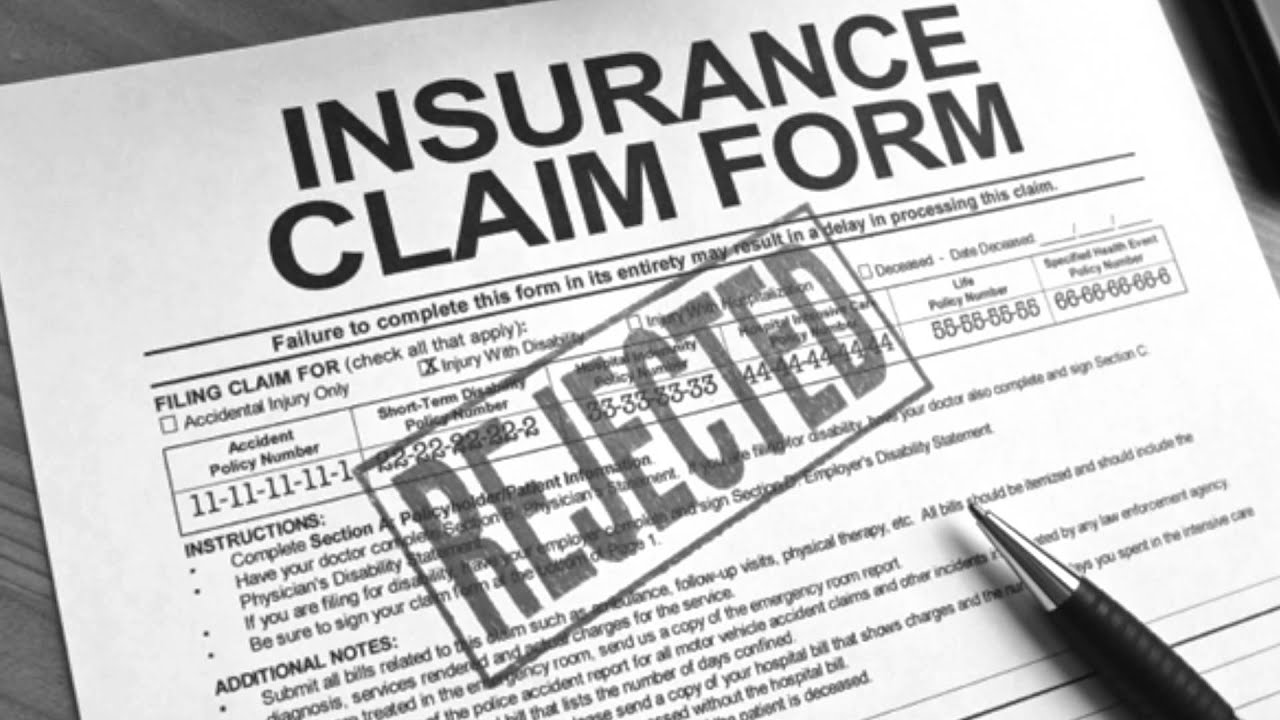
The Role of Technology in Shocking Insurance Claim Rejections Rising
We live in the era of “InsurTech,” where digital platforms, machine learning models, and automated decision engines now sit at the center of insurance operations. On the surface, this shift promises speed and convenience—policyholders can upload accident photos, medical documents, or repair estimates in seconds, and receive near-instant claim updates. However, behind this efficiency is a highly optimized system designed not only to process claims faster, but also to reduce financial risk exposure for insurers. This balance between automation and cost control is one of the key reasons behind the phenomenon of shocking insurance claim rejections rising in recent years.
AI and algorithmic decision-making systems are trained on large datasets of past claims, policy language, and fraud indicators. While this improves consistency, it can also introduce rigidity. These systems often rely heavily on pattern matching and keyword recognition rather than contextual understanding. For example, a medical report that describes a treatment using slightly different terminology than what is listed in a policy’s approved coverage database may trigger an automatic rejection flag. Similarly, minor inconsistencies in dates, formatting, or documentation structure can be misinterpreted as errors or even potential fraud indicators.
The core issue is the lack of human nuance. Unlike a trained claims adjuster, an algorithm does not “interpret intent” or consider special circumstances unless explicitly programmed to do so. As a result, legitimate claims can be denied simply because they fall outside predefined data patterns. This contributes significantly to the growing frustration among policyholders experiencing unexpected denials.
If you suspect your claim has been unfairly rejected by an automated system, it is important to act quickly. Request a detailed explanation of the denial, review your policy wording carefully, and insist on a manual reassessment by a human claims adjuster. Providing additional context or corrected documentation can often reverse an automated decision. In an increasingly digital insurance landscape, understanding how these systems work is essential to protecting your rights as a policyholder.
Step-by-Step Guide: What to Do if Your Insurance Claim Is Rejected
Facing one of the shocking insurance claim rejections rising across the industry can feel overwhelming. After faithfully paying premiums for years, receiving a denial letter during a crisis can trigger anger, confusion, and panic. However, it is important to remember this: a rejected claim is not always the final decision. In many cases, denials can be challenged, appealed, and even overturned if you respond strategically and quickly.
Insurance companies often rely on the fact that many policyholders give up after the first rejection. Understanding your rights and following the proper steps can significantly improve your chances of success.
Step 1: Request a Formal Letter of Denial
Your first move should always be obtaining a written denial letter from the insurance company. In most countries and states, insurers are legally required to explain why a claim was rejected and reference the exact policy language supporting their decision.
This document is extremely important because it reveals the insurer’s reasoning. Sometimes the denial may stem from missing paperwork, unclear documentation, or technical policy exclusions rather than outright ineligibility.
Read the letter carefully and highlight:
- Specific policy clauses cited
- Missing documents or evidence
- Filing deadlines mentioned
- Any contradictions or vague explanations
Do not rely solely on verbal explanations from customer service representatives. Always request written communication for your records.
Step 2: Begin the Internal Appeals Process
Most insurance companies have an internal appeals department or ombudsman system designed to review disputed claims. This is your opportunity to challenge the denial directly before escalating the matter externally.
When submitting your appeal:
- Include additional evidence
- Provide corrected or updated documentation
- Attach photographs, invoices, medical reports, or witness statements
- Write a clear timeline of events
- Directly address the insurer’s stated reason for denial
Organization matters. A well-structured appeal demonstrates seriousness and reduces the chances of your case being dismissed quickly.
Keep copies of every email, form, receipt, and conversation. Documentation can become critical if the dispute escalates later.
Step 3: Contact Your State or Regional Insurance Regulator
If your appeal fails and you believe the insurer acted unfairly, the next step is filing a complaint with your local insurance regulator or consumer protection agency.
These government bodies oversee insurance companies and investigate potential bad-faith practices, unfair denials, deceptive policy wording, or delays in payment processing.
Regulators may:
- Review your case independently
- Pressure insurers to respond properly
- Investigate company-wide complaint patterns
- Enforce consumer protection laws
In some situations, regulatory involvement alone can motivate insurers to reconsider a denied claim.
Step 4: Consult a Legal or Insurance Expert
If large amounts of money are involved, consider speaking with an attorney or licensed public insurance adjuster. Professionals can identify weaknesses in the insurer’s argument and negotiate on your behalf.
In today’s environment of shocking insurance claim rejections rising rapidly, persistence, organization, and knowledge are often the strongest tools policyholders have to protect their financial future.

Frequently Asked Questions (FAQ)
Why are shocking insurance claim rejections rising for life insurance?
One of the biggest reasons shocking insurance claim rejections are rising in life insurance is stricter investigation into policyholder disclosures. Insurance companies now examine applications with far more scrutiny than they did in previous years. Even minor inaccuracies can trigger major problems during the claims process.
The most common issue is “non-disclosure.” This happens when an applicant fails to fully reveal important information such as smoking habits, vaping, alcohol consumption, mental health history, prescription medication use, or participation in dangerous hobbies like skydiving or racing. Many people assume small omissions are harmless, but insurers often view them as material misrepresentation.
Modern technology has made verification easier for insurance companies. Many insurers now cross-check medical databases, pharmacy records, driving histories, wearable device data, and even public social media activity. A single inconsistency between your application and external records can become grounds for delaying or denying a payout. In some cases, insurers may cancel a policy entirely if they determine false information was provided during underwriting.
This aggressive verification process is one of the primary reasons families are experiencing devastating surprises after filing claims.
Can I sue my insurance company for a rejected claim?
Yes, policyholders generally have the legal right to challenge a rejected insurance claim. However, lawsuits are usually considered a last resort because they can become expensive, stressful, and time-consuming.
Most disputes begin with an appeal process. You can request a formal review, submit additional evidence, or ask for a detailed explanation of the denial. Sometimes claims are rejected due to missing documentation or administrative errors that can be corrected without legal action.
If the insurer acted unfairly, you may have grounds to sue for “Breach of Contract” or “Bad Faith Insurance Practices.” Bad faith occurs when an insurance company intentionally delays payment, refuses to investigate properly, or denies valid claims without reasonable justification.
However, many modern insurance contracts include mandatory arbitration clauses. This means disputes must first go through private arbitration before entering a courtroom. Arbitration can limit legal options and often favors insurers because the process is less public than traditional litigation.
How does inflation affect shocking insurance claim rejections rising?
Inflation plays a massive role in the increase of denied claims. As repair costs, construction materials, vehicle parts, medical bills, and labor expenses rise, insurers are paying significantly more money per approved claim than they did just a few years ago.
To maintain profitability, some companies tighten claim reviews and become more aggressive in identifying technical reasons for denial or underpayment. Small policy violations that might once have been overlooked are now treated far more seriously.
Higher costs also encourage insurers to narrow coverage definitions, raise deductibles, and introduce stricter documentation requirements. This creates more opportunities for disputes between policyholders and providers.
Does a “no-fault” policy prevent rejections?
No. A no-fault insurance system does not guarantee automatic approval of every claim. It simply means your insurer may cover certain losses regardless of who caused the accident.
Claims can still be denied for many reasons. For example, insurers may argue the damage falls outside policy coverage, the injuries are exaggerated, deadlines were missed, or the policyholder violated terms of the agreement. Illegal behavior — such as driving under the influence, reckless driving, or insurance fraud — can also invalidate coverage completely.
Even with no-fault policies, careful documentation and understanding your coverage limits remain extremely important in today’s insurance environment.
The landscape of financial protection is undergoing a major transformation, and at the center of it is the growing issue of shocking insurance claim rejections rising across health, auto, travel, and life coverage. What once felt like a straightforward promise of support in times of crisis has now become a more complex contractual relationship shaped by stricter underwriting rules, advanced data systems, and tighter cost controls.
As insurers adopt more digital tools and automated decision-making systems, the responsibility placed on policyholders has increased significantly. Gone are the days when insurance could be treated as something you simply “set and forget.” Today, maintaining coverage requires active engagement. Policyholders are expected to understand the fine print, comply with detailed documentation requirements, and ensure that all personal and claim-related information is consistently accurate across every submission.
One of the most important defenses against unexpected claim denial is meticulous record-keeping. This includes keeping medical reports, receipts, repair invoices, travel documents, and communication records organized and easily accessible. Even small inconsistencies in dates, names, or descriptions can trigger delays or rejections in increasingly automated systems. In many cases, claims are not rejected due to lack of validity, but due to missing or improperly formatted supporting evidence.
Radical honesty during the application stage is equally critical. Any omission or misrepresentation—intentional or accidental—can later be flagged during claims verification and used as grounds for denial. Transparency ensures that your policy accurately reflects your risk profile and reduces the likelihood of disputes when you need to file a claim.
It is also important to recognize that an insurance policy is not just a product; it is a legally binding contract. Treating it with the same seriousness as a mortgage agreement or a business merger helps shift your mindset from passive consumer to informed participant.
Ultimately, understanding how and why claims fail empowers you to navigate the system more effectively. In a world where shocking insurance claim rejections rising is becoming more common, knowledge, preparation, and proactive management are the strongest tools you have to build a reliable and resilient financial safety net for yourself and your loved ones.
.