Introduction: Why Finding the Best Term Life Insurance in 2026 Matters More Than Ever
If you’ve searched for the best term life insurance recently, you’ve probably noticed something: there are hundreds of options, dozens of companies, and an overwhelming amount of advice — much of it confusing, outdated, or overly technical. And yet, the decision couldn’t be more important.
In 2026, families in developed countries are facing a unique financial environment. Inflation continues to shape household budgets. Mortgage payments remain significant. Childcare, education costs, and daily living expenses aren’t getting cheaper. In the middle of all that, the question becomes deeply personal:
If something happened to you tomorrow, would your family be financially secure?
That’s exactly where term life insurance policies come in.
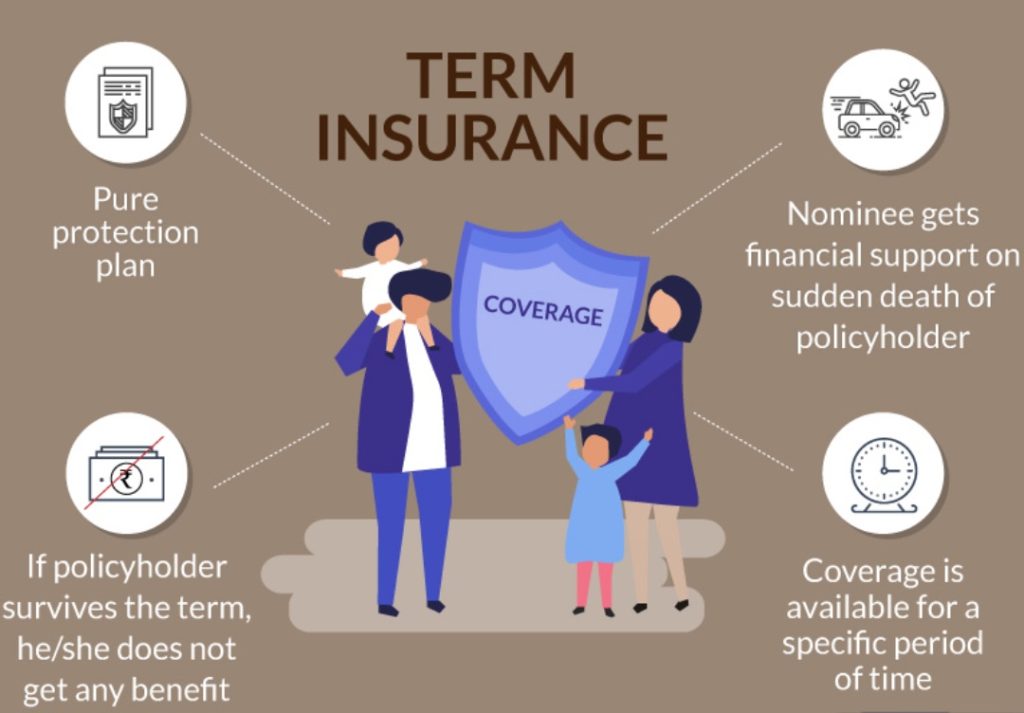
Term life insurance is designed to provide straightforward, affordable financial protection for a specific period — typically 10, 20, or 30 years. Unlike permanent insurance, it doesn’t build cash value. Instead, it focuses on what most families truly need during their peak responsibility years: high coverage at affordable premiums.
But here’s the catch — not all policies are created equal.
Many people unknowingly overpay because they don’t fully understand how term life insurance rates are calculated. Age, health, lifestyle, coverage amount, and even payment frequency can significantly affect what you pay. And in 2026, with insurers adjusting pricing models and underwriting standards, knowing how to lock in low term life insurance premiums is more important than ever.
The good news? Term life insurance remains one of the most affordable financial safety nets available — if you approach it strategically.
For young parents, it can ensure mortgage payments continue and college funds stay intact. For professionals, it can replace lost income and protect long-term plans. For families seeking stability in uncertain times, it offers something priceless: peace of mind at a predictable cost.
But the biggest mistake families make isn’t buying the wrong policy.
It’s buying without strategy.
They accept the first quote.
They overestimate coverage “just in case.”
They delay applying, not realizing how much term life insurance rates by age in 2026 increase year after year.
They add riders they don’t need.
They miss opportunities to secure the cheapest term life insurance for families in 2026 simply by comparing options.
The difference between overpaying and optimizing can amount to thousands of dollars over the life of a policy.
That’s why this guide exists.
In this article, we’ll break down 11 powerful premium-saving strategies that smart families are using to secure the best term life insurance policies in 2026 — without sacrificing coverage or financial confidence.
By the end, you won’t just understand term life insurance.
You’ll know how to buy it wisely.
H2: What Determines Your Term Life Insurance Rates?
To save money, you first need to understand what drives those term life insurance rates. Insurers base premiums on your risk profile — factors that statistically predict how likely you are to pass away during the term of the policy. No two applicants are the same, and your rate reflects that.
Key Factors That Affect Your Premiums
- Age: Older applicants generally pay much higher premiums because age correlates strongly with risk. Buying younger almost always results in lower rates. (Forbes)
- Health and Lifestyle: Insurers look at health history, BMI, smoking habits, and lifestyle choices like alcohol consumption. Smokers typically pay significantly higher rates. (LifeQuote)
- Term Length: Longer coverage terms usually bring higher total premiums — though rates may be lower per year if you lock in earlier. (CAclubindia)
- Coverage Amount: A larger death benefit costs more because you’re essentially transferring more risk to the insurer. (MoneyGeek.com)
- Occupation and Hobbies: Jobs involving physical danger and risky hobbies like skydiving can increase your rates. (Term Life Online)
Understanding these factors helps families make choices that keep premiums manageable without sacrificing coverage.
H2: Strategy 1 — Buy Early to Lock in Lower Term Life Insurance Rates
One of the simplest ways to get affordable term life insurance is to buy when you’re younger. Age plays a big role in premium calculation — and every year you wait can cost you more. In many markets, premiums increase significantly as you age because insurers see older applicants as higher risk. (Forbes)
Why Younger Is Better
- Younger applicants usually face fewer health risk factors.
- Insurers offer lower base rates for younger age brackets.
- Premiums are typically fixed for the duration of the term — meaning your rate won’t change as you get older — if you lock it in early.
Even waiting a year or two can mean paying significantly more over the life of the policy — a preventable cost many families overlook.
H2: Strategy 2 — Compare Multiple Term Life Insurance Policies

Many families assume the first quote they get is the best one — but it rarely is.
Why Comparison Shopping Works
- Insurers use different underwriting models — meaning one company could charge twice as much as another for the same risk profile. (MoneyGeek.com)
- Independent agents or online quote tools let you compare dozens of best term life insurance policies in 2026 quickly.
- This strategy can lead to savings of hundreds or even thousands of dollars over time.
Pro Tip: Tools like the comparison tool at Insurance.com can help you compare quotes across carriers quickly and efficiently. (example external link: dofollow) https://www.insurance.com/life-insurance
H2: Strategy 3 — Optimize Your Coverage Amount
It may be tempting to buy more coverage than you need “just in case,” but excess coverage means higher premiums — often unnecessarily.
How to Pick the Right Amount
- Start with a needs assessment: mortgage payoff, future education costs, living expenses, and final expenses.
- Avoid covering too much — over‑insuring can cost more in premiums than it’s worth.
- Reevaluate coverage every few years to ensure it matches your evolving financial situation.
Getting the right balance ensures you’re protected without overpaying.
H2: Strategy 4 — Choose the Right Term Length
The term you choose dramatically impacts your term life insurance rates by age in 2026.
Which Term Length Makes Sense?
| Term Length | Pros | Cons |
|---|---|---|
| 10 years | Lowest annual premiums | May not cover all needs |
| 20 years | Moderate cost, good for family protection | Slightly higher than 10 years |
| 30 years | Great for mortgage and long‑term family needs | Highest premiums among common terms |
✔️ Match your term length to your biggest financial liabilities such as mortgage or children graduating college.
H2: Strategy 5 — Improve Your Health Before Applying
Your physical health has one of the strongest impacts on your term life insurance rate.
Health Improvements That Lower Premiums
- Quit smoking — non‑smokers often pay much lower rates. (LifeQuote)
- Manage weight through diet and exercise. (LifeQuote)
- Control blood pressure and cholesterol through medication or lifestyle changes.
Well‑controlled health conditions and healthy habits signal lower risk to insurers, which can translate into lower premiums.
H2: Strategy 6 — Consider Annual Payments Over Monthly
How you pay can affect your total cost. Some insurers give discounts for paying annually rather than monthly.
Why Annual Payments Save Money
- Some carriers offer a 2–4% discount on premiums. (CAclubindia)
- Annual payments reduce administrative costs for insurers.
- They also help you budget more effectively over the year.
For families who can afford it, annual payments are a smart choice.
H2: Strategy 7 — Beware of Unnecessary Riders
“Riders” are add‑ons like disability waivers or critical illness coverage.
Some can be valuable, but not all riders are worth the extra cost — especially if they don’t match your needs.
Common Riders Explained
- Waiver of Premium – waives future premiums if you become disabled.
- Return of Premium – refunds premiums if you outlive the policy.
- These can double or triple your cost without meaningful benefit for some families.
Before adding riders, ask: Do I really need this protection, or is it an unnecessary expense?
H2: Strategy 8 — Don’t Skip the Medical Exam (If You Can Qualify)
Some policies are “no‑exam,” but those usually come with higher term life insurance rates.
Why the Medical Exam Helps
- Medical exams provide real data, which can result in more favorable risk classification.
- Applicants in good health often qualify for lower rates once confirmed through exam results. (Insurance.com)
While not always mandatory, taking the exam can help secure the cheapest term life insurance for families in 2026.
H2: Strategy 9 — Leverage Employer‑Provided Coverage Wisely
Employer‑sponsored term life insurance is often inexpensive or even free. That said, relying on it exclusively can be risky.
Employer Coverage Pros & Cons
- Pros: Low or no cost, immediate coverage.
- Cons: Coverage ends when you leave the job — making it risky if your circumstances change.
Use employer coverage as a base, but consider personal policies for long‑term protection.
H2: Strategy 10 — Lock in Level Premium Policies
With term insurance, you can generally choose between:
- Level premium policies: Premium stays the same throughout the term.
- Renewable policies: Start low but go up each year.
Choosing a level premium policy helps you lock in low term life insurance premiums and avoid rising costs as you age. (MoneyGeek.com)
This strategy is especially valuable for families who want predictable, stable budgeting.
H2: Strategy 11 — Reevaluate Periodically and Shop for Better Deals
Life changes — your insurance should too.
When to Review Your Policy
- After major life events (marriage, new child, new home).
- Every 2–3 years to compare current rates.
- When your health improves.
Even existing policies can sometimes be replaced with newer ones that offer better term life insurance rates by age in 2026.
Conclusion: The Smartest Families Don’t Just Buy Term Life Insurance — They Buy It Strategically
Choosing the best term life insurance in 2026 isn’t simply about finding the lowest quote online. It’s about understanding how term life insurance rates are calculated, knowing what influences pricing, and applying smart, intentional strategies to avoid quietly overpaying year after year.
The truth is, most families don’t overspend because they’re careless. They overspend because they’re busy. Life moves fast — careers, children, mortgages, rising living costs — and insurance often becomes a “check the box” decision. But when it comes to protecting your loved ones, even small premium differences can compound into thousands of dollars over the life of a policy.
And that’s where strategy makes all the difference.
The families who secure the best term life insurance policies in 2026 tend to do a few things differently:
- They buy earlier rather than later.
- They compare multiple term life insurance policies.
- They understand how term life insurance rates by age in 2026 impact long-term cost.
- They align coverage with real financial responsibilities instead of guessing.
- They avoid unnecessary riders that inflate premiums.
- They actively look for ways to lock in low term life insurance premiums before health or age works against them.
What stands out most is this: term life insurance is still one of the most affordable financial tools available — if purchased wisely.
In an era where inflation continues to pressure household budgets in developed countries, locking in affordable term life insurance provides something priceless: certainty. A predictable premium. A guaranteed death benefit. A financial safety net that doesn’t fluctuate with the stock market.
But here’s the uncomfortable truth many families risk ignoring: waiting can cost you.
Every year you age, premiums rise. A new health condition can shift you into a higher risk class. Even market adjustments can influence pricing trends. The cheapest term life insurance for families in 2026 may not be the cheapest option in 2028 if you delay.
And yet, the solution isn’t to panic-buy coverage either.
It’s to buy thoughtfully.
Ask yourself:
- What financial responsibilities would my family struggle with if I weren’t here?
- How long will those obligations last?
- What income replacement would truly protect them?
- Am I choosing coverage based on real needs — or just the lowest number on a screen?
The goal isn’t just affordability. It’s efficiency.
The best term life insurance balances:
- Adequate protection
- Sustainable premiums
- Clear understanding of policy terms
- Flexibility for future changes
And remember — term life insurance isn’t about you. It’s about the people who depend on you. It’s about mortgage payments continuing. College funds staying intact. Daily living expenses remaining manageable. It’s about stability in the face of uncertainty.
When you apply the 11 powerful strategies we covered, you shift from being a passive buyer to a strategic one. You reduce waste. You optimize cost. You maximize value.
That’s not just smart insurance planning.
That’s smart financial leadership for your family.
In 2026 and beyond, the families who thrive financially won’t necessarily be the ones earning the most — they’ll be the ones making intentional decisions with the tools available to them.
Term life insurance is one of those tools.
Used wisely, it’s simple. Affordable. Powerful.
And absolutely worth getting right.
Frequently Asked Questions (FAQ)
1. What is the best term life insurance in 2026?
The best term life insurance in 2026 depends on your personal situation — age, health, coverage needs, and budget. For some, it’s the policy offering the lowest term life insurance rates. For others, it’s the carrier with the strongest financial rating and most flexible underwriting. The best policy is the one that balances affordability with adequate coverage for your family’s needs.
2. How are term life insurance rates determined?
Term life insurance rates are based on several factors:
- Age
- Gender
- Health history
- Smoking status
- Family medical history
- Occupation and lifestyle
- Coverage amount
- Policy term length
Term life insurance rates by age in 2026 continue to rise incrementally each year, meaning younger applicants generally secure lower premiums.
3. What is considered affordable term life insurance?
Affordable term life insurance typically means coverage that fits comfortably within your monthly or annual budget while providing sufficient financial protection. In many developed countries, healthy individuals in their 30s can secure substantial coverage for a relatively modest monthly premium. The key is comparison shopping and understanding how to lock in low term life insurance premiums early.
4. How can I get the cheapest term life insurance for families in 2026?
To secure the cheapest term life insurance for families in 2026:
- Apply while young and healthy
- Quit smoking
- Maintain a healthy BMI
- Compare quotes from multiple providers
- Choose the right term length
- Avoid unnecessary riders
- Consider annual premium payments
Small optimizations can produce large long-term savings.
5. Should I choose a 20-year or 30-year term life insurance policy?
It depends on your financial timeline. A 20-year policy often works well if you want coverage until your children reach adulthood or until your mortgage is significantly reduced. A 30-year policy provides longer security but usually costs more. Evaluate your financial obligations before deciding.
6. Can I switch term life insurance policies later?
Yes. Many people replace existing term life insurance policies if they find better rates or improved health classifications. However, you must qualify medically again. It’s wise to secure approval for the new policy before canceling the old one.
7. Is no-medical-exam term life insurance a good idea?
No-exam policies offer convenience but often come with higher premiums. If you’re in good health, taking the medical exam can help you qualify for lower term life insurance rates.
8. What happens if I outlive my term life insurance policy?
If you outlive the policy term, coverage simply expires. There is no payout unless you purchased a return-of-premium rider. At that point, you may renew (at a much higher rate) or apply for new coverage, subject to underwriting.
9. How much term life insurance coverage do I need?
A common rule of thumb is 10–15 times your annual income, but this varies. Consider:
- Outstanding debts
- Mortgage balance
- Education expenses
- Daily living costs
- Future financial goals
Choosing the right amount prevents both underinsurance and overpayment.
10. Is term life insurance worth it in 2026?
For families relying on income protection, absolutely. Term life insurance remains one of the most cost-effective ways to provide financial security during your highest responsibility years. When purchased strategically, it delivers tremendous value relative to cost.